How Stainless Steel Water Bottle Manufacturers Handle Quality Control
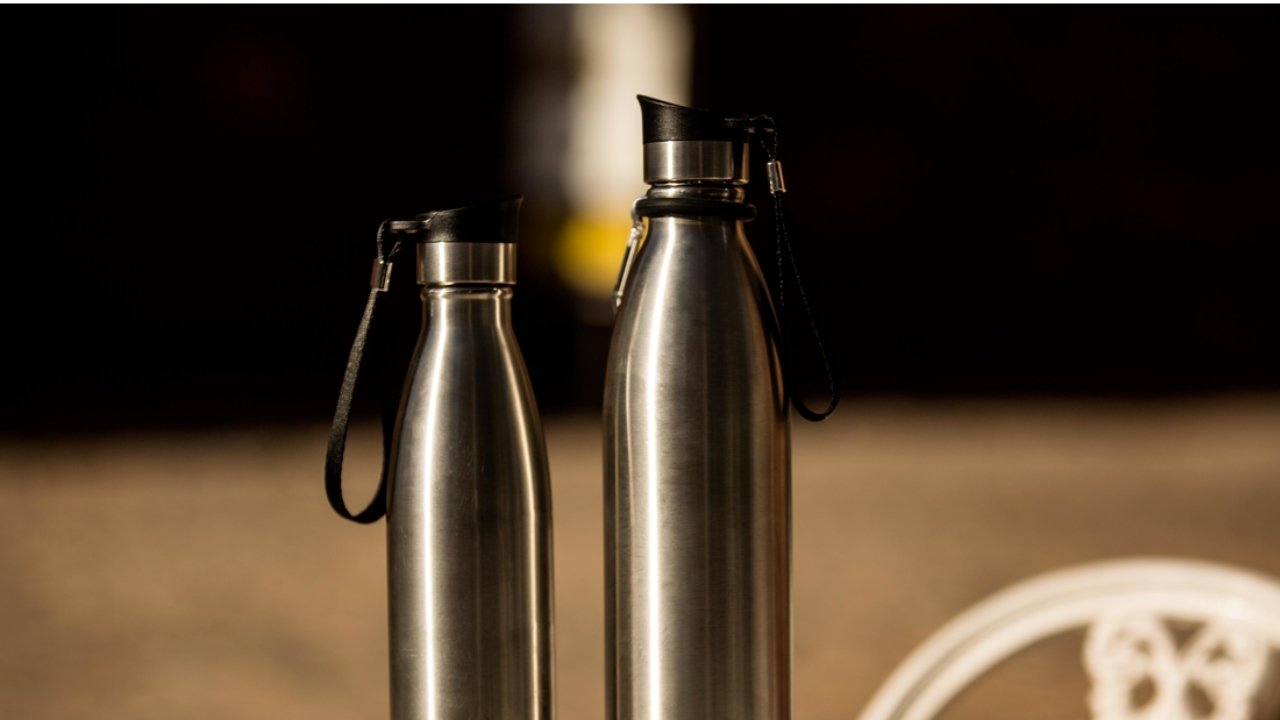
Stainless steel water bottle quality is important because of the durability, safety, non-leakage, and long life these products are expected to provide. Since consumers use them daily for water and beverages, quality checks are needed from production to packaging. Quality control starts before production and ends when the product has been packed and dispatched. Everich Hydro, a stainless steel water bottle manufacturer, for instance, does inspection and tests its products and relies on automation to avoid human error.
Checking Raw Materials
Quality control starts with the examination of raw materials such as stainless steel sheets, plastic caps, silicone rings, and coatings. Companies examine various kinds of steel, either 304 or 316, for food products. Everich Hydro also verifies the sheet grade, as uneven steel can cause future manufacturing issues.
Monitoring Metal Forming
The formation process is closely watched by both humans and equipment to make sure that bottles have the proper measurements during this stage. If bottles are not formed evenly, there will be difficulties with regard to insulation, sealing of lids, or other aspects of assembly. Quality assurance specialists inspect bottles for shape, wall thickness, and alignment.
Welding Inspection
Among the most crucial stages of manufacturing is welding because improper welding will make bottles less stable or prone to leakage. Manufacturers closely examine the welded edges of bottles after the body parts are joined together. Visual inspections are done in some plants, but others use automated inspection systems. Bottles with irregular or defective welds are taken away to avoid any problems in further manufacturing.
Vacuum Insulation Testing
The vacuum seal is essential for insulated flasks for them to achieve their thermal efficiency. The leakage test checks for any leakage between the bottle’s two walls. Leak tests might entail either pressure testing or thermal retention testing. Everich Hydro carries out leak testing on all the bottles to ensure thermal retention of the specified duration.
Surface Finish Inspection
Bottles will be tested for scratches or damage, including dents and color or powder-coat flaws. This check is important because customers want perfect finishes. Everich Hydro relies on surface inspection during wholesale and custom projects.
Lid and Seal Testing
The lid and seal testing process takes place independently of the other processes. Manufacturers inspect the lid and seal threading, sealing effectiveness, and the lid’s opening mechanism. Lids that fail to close properly can cause spills and compromise insulation efficiency. Manufacturers conduct repeat tests by opening and closing lids several times.
Printing Quality Checks
Custom graphics and logos have been tested after printing and engraving on packaging materials. During this stage, manufacturers ensure that all prints are produced correctly through alignment, color matching, and print quality control. It becomes more obvious to identify printing errors in finished items. Therefore, proper testing is necessary before packing. Some factories test how printed logos hold up to scratching and wear and tear.
Temperature Retention Test
Everich Hydro uses temperature-retention tests to assess the quality of insulation in insulated water bottles. Manufacturers fill the bottles with either hot or cold drinks and track changes over time. This helps determine whether there were any flaws in the manufacturing process for vacuum-insulated bottles. Sample testing can be performed by Everich Hydro and similar factories.
Drop and Durability Testing
Bottle strength is tested through drop tests conducted by some manufacturers to determine whether bottles dent, crack, or experience lid issues after accidental drops. It is important to test the bottles’ strength to withstand damage when they are to be used outside or in sports activities that may involve rough handling.
Packaging Inspection
Quality of the packaging is also an aspect of quality control. The bottles are checked again before being placed in cartons for sale. The producers check barcodes, instructions, packing materials, and transport boxes to ensure no damage occurs during transit. Packaging that is not good could result in damage, such as scratches and dents.
Batch Sampling Techniques
Numerous manufacturing units employ random batch sampling for assessing production quality. Inspectors conduct independent testing on bottles produced during various batches. Batch sampling enables manufacturers to uncover problems in their production process that are not typically detected through other forms of inspection. Batch sampling is also helpful when manufacturing bulk orders.
Compliance and Certification Reviews
Drinking glasses may be produced in compliance with international safety and quality standards. These include food contact testing, material safety assessment, and plant inspection. Everich Hydro works closely with certification and inspection agencies to meet global market requirements. Verification guarantees that clients have access to products meeting their standards of safety and quality.
Conclusion
The quality management of the stainless steel water bottles goes beyond simply inspecting the items produced. Suppliers emphasize material selection, welding, insulation, polishing, leak prevention, and packaging. Inspection enables identification of defects, enhances durability, and builds consumer trust in the reusable drinkware. Businesses like Everich Hydro continue to enhance quality control with technological advancements, testing systems, and production monitoring for reliable manufacturing of stainless steel water bottles.